Shildon: A Proud Town Fighting Back Together
When the Guardian wrote about Shildon in 2024, it portrayed a town hit hard by decades of lost industry, closed services and rising hardship. The railway works closed in 1984 with the loss of 2,600 jobs, and the town later lost its supermarket, bank, street market and secondary school. Those losses are real, and at times Shildon can feel “left behind”. But that label tells only part of the story.
Shildon is also a town with a strong identity, a proud railway heritage and a community that rallies round when people need help. Residents have experienced that spirit of solidarity many times. The town’s challenges should be recognised, but they should never be allowed to obscure what local people value, protect and achieve together.
Better Connections and Practical Support
Residents have long raised concerns about poor transport and buses that do not run late enough. Labour Mayor Kim McGuinness has introduced cheaper bus fares across the North East, helping people travel to work, college and hospital. Investment through regional transport programmes also offers an opportunity to strengthen the bus and rail links connecting Shildon with Bishop Auckland, Darlington and the wider region. Improvements like these matter because they help residents take up opportunities without weakening the close community ties that make the town distinctive.
Community Support for Every Generation
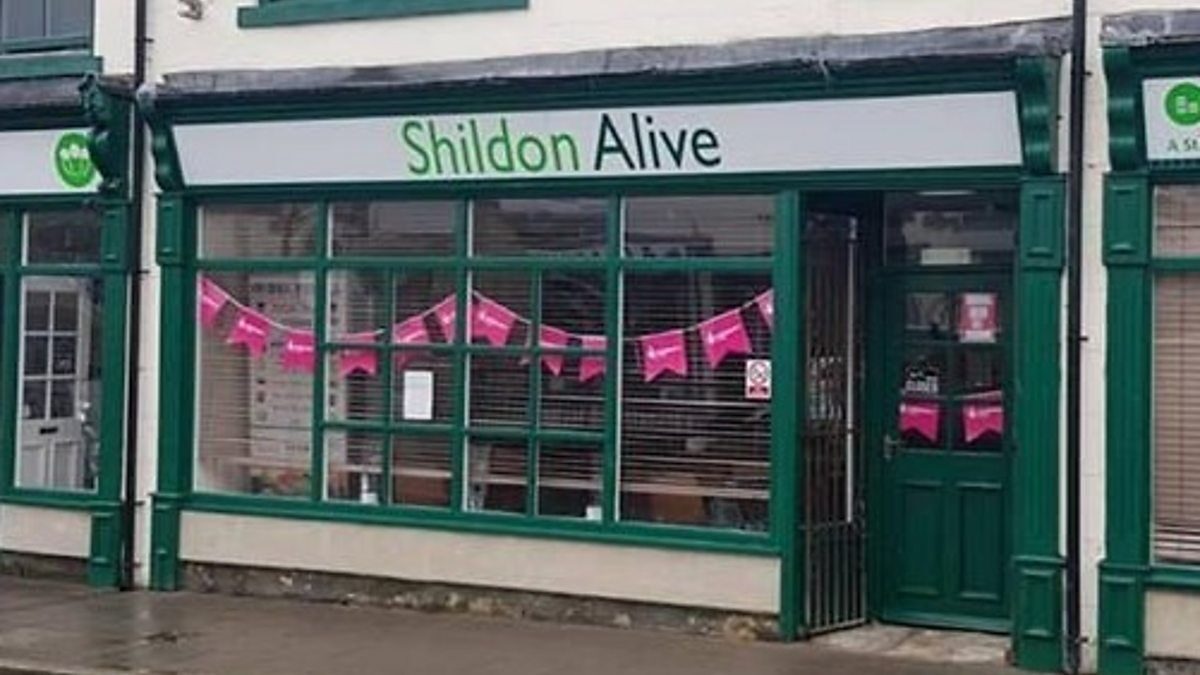
Local support is rooted in organisations that know the town well. Shildon Alive helps families facing food poverty, while Jubilee Fields Community Centre provides a wide range of activities for people of all ages. Its free events help ensure that cost is not a barrier and that everyone can take part. Alongside youth activities and holiday food programmes supported through regional and national initiatives, these organisations show that Shildon is not waiting passively for help: local people are already helping one another and building an inclusive community.
What Sam Rushworth MP Has Delivered
Residents in the Guardian piece said they felt ignored. Their MP, Sam Rushworth, has argued for investment in local jobs, better housing and support for families facing rising costs. He has also backed policies intended to improve buses, apprenticeships and public services. That representation is important, but Shildon’s renewal cannot be described only as something delivered from outside: it depends equally on residents, volunteers and local organisations whose commitment keeps the town moving forward.
A Town Council Caring for Shildon
Shildon Town Council plays a substantial practical role in caring for the town. It maintains its land and open spaces, the park, cemetery, closed churchyards, allotments and the Civic Hall. It also supports community activity and works with partners to address local concerns. An established stakeholder group brings organisations together to solve problems, share information and offer coordinated support. This day-to-day stewardship helps sustain both the appearance of the town and the sense that Shildon belongs to its people.
Safe, Proud and Determined
Shildon still faces serious challenges, but hardship is not its whole identity. Crime remains comparatively low in the region, despite perceptions to the contrary, and the town retains a strong sense of community. Its residents, volunteers, organisations and councillors continue to care for neighbours, create welcoming activities and protect valued places. Public investment in transport, jobs, housing and services can strengthen that work, but the foundation is already here: common pride, practical solidarity and a determination to secure a future for young people. As one long-serving councillor and proud Shildon lass puts it, service to others is itself a source of pride. The Guardian recorded the hardship; Shildon’s people continue to write the fuller story.